
[TAP HERE TO VIEW THE SPECIFICATIONS OF THE PUMP]
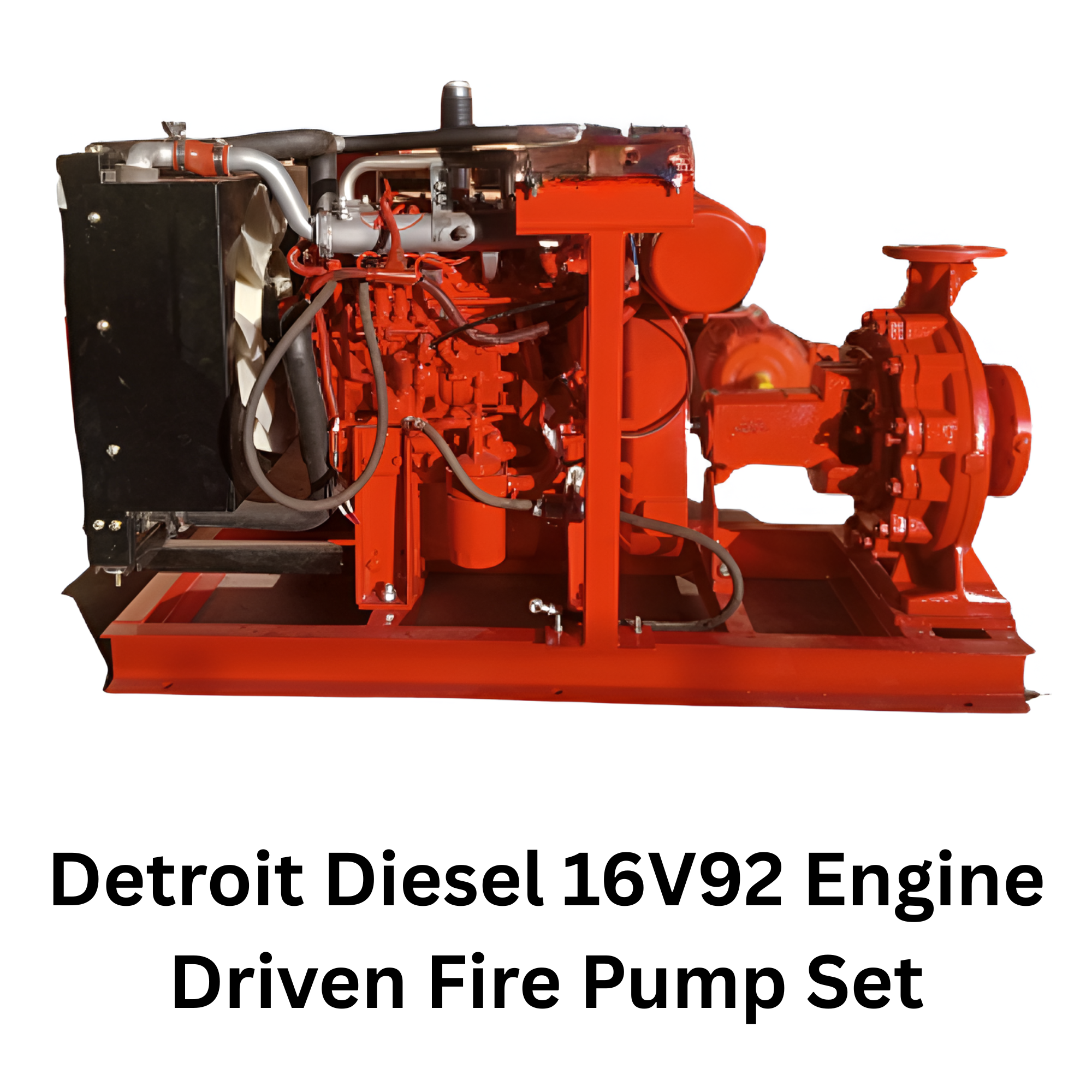
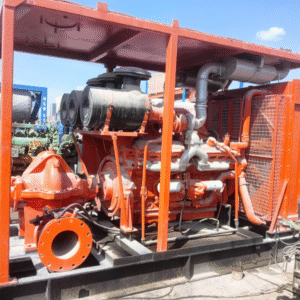
Choosing the right firefighting equipment starts with understanding where a Diesel Engine Driven Fire Pump is truly necessary. Many industrial buyers research whether their facility actually requires a Fire Pump before investing in a system. The answer depends on risk level, power reliability, and the consequences of system failure.
A Diesel Engine Driven Fire Pump plays a critical role in high-risk environments where fire protection cannot depend on electricity alone. Unlike electric systems, a Fire Pump operates independently, ensuring water supply even during total power outages.
Why Industries Prefer a Diesel Engine Driven Fire Pump
The primary reason facilities install a Diesel Engine Driven Fire Pump is reliability. During large fire incidents, electrical systems often fail. A Fire Pump continues to function because it has its own engine power source.
A Diesel Engine Driven Fire Pump is also selected where safety regulations demand an independent emergency firefighting system. Insurance providers and safety auditors often recommend a Engine Driven Fire Pump for sites with elevated fire risk.
Industrial Facilities That Require a Diesel Engine Driven Fire Pump
1. Oil & Gas Installations
Refineries, fuel depots, and petrochemical plants handle flammable materials daily. A Fire Pump ensures suppression systems remain operational even if electrical networks are damaged.
2. Marine Ports & Terminals
Ports store fuels, chemicals, and cargo. A Fire Pump is widely used because marine environments face power instability and high fire hazards.
3. Power Plants
Power generation facilities rely on a Fire Pump to protect turbines, transformers, and fuel systems. If power supply fails internally, a Diesel Engine Driven Fire Pump still operates.
4. Heavy Manufacturing Units
Steel plants, chemical factories, and large warehouses install a Fire Pump to manage fire risk across expansive production areas.
5. Remote Industrial Sites
Mining operations and isolated industrial zones often lack reliable grid power, making a Diesel Engine Driven Fire Pump the safest option.
When a Diesel Engine Driven Fire Pump Becomes Essential
A Fire Pump is essential when:
-
Power failure risk is high
-
Fire hazards involve fuel, chemicals, or heavy machinery
-
Regulations demand independent fire protection
-
Business interruption could cause major financial loss
In these cases, relying only on electric systems is risky, while a Fire Pump provides operational assurance.
Backup vs Primary Use
Some facilities use a Diesel Engine Driven Fire Pump as the main firefighting pump. Others install a Engine Driven Fire Pump as a backup to electric units. In both cases, the Fire Pump ensures redundancy and continuous protection.
Maintenance and Readiness
Although a Diesel Engine Driven Fire Pump requires regular engine maintenance and fuel checks, these steps guarantee readiness. Proper servicing ensures the Fire Pump performs when needed most.
Final Thoughts
Understanding where a Diesel Engine Driven Fire Pump is required helps industries make smarter safety investments. In high-risk or power-sensitive environments, a Pump is not just equipment — it is a critical life-safety system.
If your facility operates in a hazardous or remote location, installing a Fire Pump ensures fire protection remains active when every second matters.


Add comment
You must be logged in to post a comment.